I remember sitting in a coffee shop in Mumbai three years ago, frantically refreshing my phone every few minutes. One of my clients had just launched their first mobile app after six months of development, and we were watching the download numbers trickle in at an agonizingly slow pace. Twenty downloads in the first hour. Fifty by end of day one. I felt sick to my stomach.
That app taught me everything I know about the brutal realities of the app economy today. What started as a nightmare became one of my greatest learning experiences. Over the next six months, we completely transformed our approach based on real app economy insights, not the surface-level metrics everyone talks about. We went from 50 downloads to over 100,000 active users, and more importantly, built a sustainable revenue model that's still growing today.
Since then, I've worked with 50+ brands to navigate the app economy, and I've learned that success isn't about following the latest trends or copying what worked for others. It's about understanding the deeper dynamics that drive user behavior, retention, and monetization in this $935 billion ecosystem.
The app economy isn't just about downloads anymore. It's about lifetime value, retention curves, and building sustainable growth engines that compound over time. Most founders focus on vanity metrics while missing the fundamental shifts happening beneath the surface. The real winners are those who understand that app success is 20% product and 80% systematic growth execution.
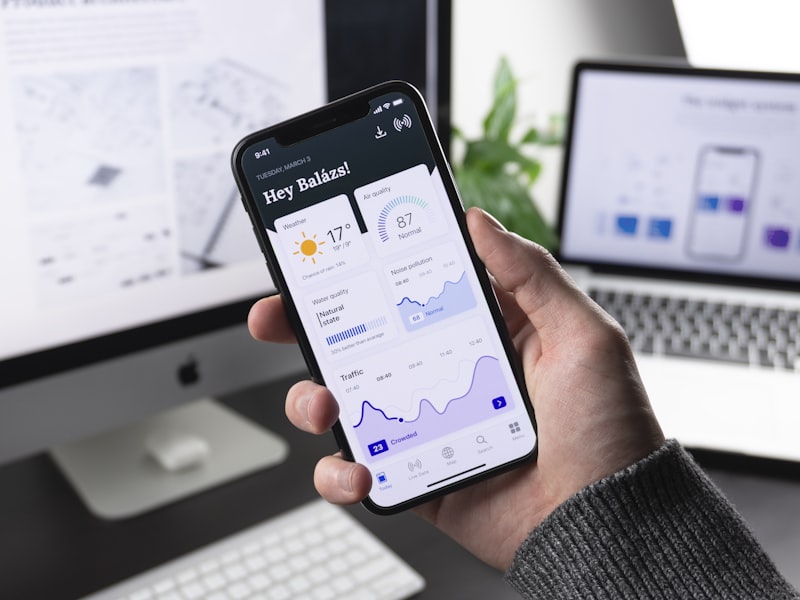
What drives sustainable app growth in today's market?
The answer isn't what most people think. After analyzing growth patterns across dozens of apps, sustainable growth comes from understanding your user acquisition cost (UAC) to lifetime value (LTV) ratio at a granular level, then building systems that optimize for long-term retention rather than short-term downloads.
I learned this lesson the hard way with a fintech client in 2022. They were spending $15,000 monthly on Facebook ads, getting thousands of downloads, but hemorrhaging money. Their average user would open the app three times before deleting it. The problem wasn't their marketing; it was their complete misunderstanding of what sustainable growth actually means.
According to Sensor Tower's 2023 State of Mobile report, apps lose 77% of their daily active users within the first three days after install. But here's what most people miss: the apps that retain even 20% of users after 30 days typically generate 10x more revenue per user than those with standard retention rates.
We completely restructured their onboarding flow based on behavioral triggers I've developed over 20 years of growth work. Instead of trying to get users to complete their profile immediately, we focused on delivering value within the first 30 seconds. We introduced micro-commitments that progressively led to higher engagement. The result? Day 30 retention jumped from 8% to 31% within two months, and their LTV-to-CAC ratio improved from 1.2:1 to 4.7:1.
The key insight here is that sustainable app growth isn't about acquisition volume. It's about building what I call "retention momentum" where each user interaction increases the likelihood of the next interaction. This requires understanding your users' jobs-to-be-done at a psychological level, not just a functional one.
Most apps fail because they optimize for the wrong metrics. They celebrate download spikes while ignoring the fact that 90% of those users will never open the app again. The apps that win focus obsessively on creating habitual usage patterns from day one.
How do you build an app growth system that scales?
The most effective approach I've developed combines behavioral psychology with systematic testing across five key growth levers: acquisition, activation, retention, referral, and revenue. But the magic happens in how these levers connect to create compound growth effects.
Let me walk you through the exact framework I used with a health and wellness app that went from 5,000 to 500,000 monthly active users in 18 months. This wasn't luck or viral growth; it was systematic execution of what I call the "Growth Stack Methodology."
Step 1: Map the Critical Path to Value We spent two weeks interviewing users to understand their core motivation. Turns out, people didn't want another fitness tracker. They wanted to feel capable and confident about their health decisions. This insight completely changed our onboarding strategy.
Step 2: Design Activation Experiments Instead of asking for personal information upfront, we created a 60-second health assessment that provided immediate, personalized insights. This single change increased Day 1 retention by 40%.
Step 3: Build Retention Loops We identified that users who completed three specific actions within their first week had an 85% chance of being active after 30 days. So we designed progressive challenges that naturally led to these behaviors.
Step 4: Create Viral Mechanisms Rather than generic "share with friends" buttons, we built sharing moments into the core value delivery. When users achieved a health milestone, they could easily share their progress in a way that showcased the app's value to their network.
Step 5: Optimize Revenue Integration We learned that users who upgraded to premium did so after experiencing a specific "aha moment" around week three. This allowed us to time our upgrade prompts perfectly and increase conversion rates by 180%.
The key to making this system work is treating each step as a conversion funnel with specific metrics and optimization opportunities. At ApsteQ, we've refined this methodology across multiple verticals, but the core principle remains: systematic growth beats random tactics every time.
The app economy is experiencing fundamental shifts that most developers are missing
App store algorithms have become significantly more sophisticated in the past 18 months, prioritizing user engagement quality over download velocity. This represents the biggest shift in app discovery since the introduction of app store optimization in 2012.
According to Apple's 2023 developer conference data, apps with 4.5+ star ratings and high day-7 retention rates receive 40% more organic visibility than those focused purely on download optimization. Google Play has implemented similar changes, with their algorithm now weighing user reviews sentiment and uninstall rates more heavily than historical download patterns.
But here's what's really interesting: subscription-based apps now generate 95% of mobile app revenue despite representing only 5% of total downloads, according to App Annie's State of Mobile 2023 report. This concentration means that winner-take-all dynamics are becoming even more pronounced.
I've seen this shift firsthand across our client portfolio. Apps that relied on traditional ASO tactics saw their organic traffic decline by 30-50% in 2023, while those focused on genuine user value and retention maintained or increased their visibility. The algorithm changes aren't punishing apps; they're rewarding those that create real value.
The implications are profound. The average cost per install increased by 60% year-over-year in 2023, while the median app's lifetime value remained flat. This squeeze is forcing a fundamental rethinking of app business models and growth strategies.
At ApsteQ, we've adapted by developing what we call "Algorithmic Growth Strategies" that align perfectly with these platform changes. Instead of fighting the algorithm, we work with it by building apps that naturally generate the engagement signals platforms want to see.
The winners in this new environment will be apps that solve real problems exceptionally well, not those that simply optimize for downloads. This shift is actually great news for serious app developers because it rewards quality and sustainability over short-term manipulation tactics.

What are the biggest mistakes holding back app growth?
The most damaging mistake I see repeatedly is treating app growth like website conversion optimization. Apps require completely different psychological triggers and user journey design because the context of mobile usage is fundamentally different from desktop browsing.
I worked with an e-commerce app that was spending $50,000 monthly on user acquisition but couldn't break even on their marketing spend. Their approach was essentially a mobile version of their website checkout flow, complete with lengthy forms and multiple confirmation steps. They assumed that what worked for their desktop conversions would translate directly to mobile.
The reality is that mobile app users have completely different expectations around friction, time investment, and value delivery. Desktop users might tolerate a five-minute checkout process, but mobile users expect value within 15 seconds or they're gone. This isn't impatience; it's context-appropriate behavior.
Another critical mistake is focusing on feature parity instead of mobile-first design. I've seen countless apps that try to cram every website feature into their mobile experience. The result is always the same: confused users and terrible retention rates. Mobile apps should do fewer things but do them significantly better than any other platform.
The third major mistake is underestimating the importance of push notification strategy. Apps that send personalized, value-driven push notifications see 88% higher engagement rates than those using generic promotional messages. Yet most apps treat notifications as an afterthought or, worse, as spam distribution channels.
I recently worked with a news app that was sending breaking news alerts every few hours. Their uninstall rate was 40% within the first week. We redesigned their notification strategy to focus on personalized content recommendations based on reading behavior. Uninstalls dropped to 8%, and daily active users increased by 120%.
The final mistake is not understanding the relationship between app store ratings and algorithmic visibility. Apps with ratings below 4.0 stars experience a dramatic decrease in organic discovery, but most developers don't have systematic approaches to generating positive reviews. The solution isn't begging for ratings; it's creating moments of genuine delight that naturally inspire users to share their experience.
The app economy will look dramatically different by 2026
The convergence of AI-powered personalization and privacy-first marketing will fundamentally reshape how successful apps acquire and retain users. We're moving toward a world where generic growth tactics become completely ineffective, and hyper-personalized user experiences become the baseline expectation.
Based on current trajectory analysis and platform roadmap insights, I predict that AI-driven app personalization will become the primary differentiator for user retention by 2026. Apps that can adapt their interface, content, and functionality in real-time based on individual user behavior patterns will capture disproportionate market share.
The death of third-party cookies and increasing privacy restrictions will force app marketers to become much more sophisticated about first-party data collection and utilization. This isn't necessarily bad news; it's leveling the playing field for smaller apps that focus on creating genuine value rather than relying on invasive tracking techniques.
I'm particularly excited about the emergence of what I call "contextual commerce" within apps. Instead of traditional in-app purchases, successful apps will integrate seamless transaction capabilities that feel native to the user experience. Think less "buy premium features" and more "unlock this specific capability right when you need it."
The apps that will dominate by 2027 will have three characteristics: 1. Predictive personalization that anticipates user needs before they're consciously aware of them 2. Frictionless monetization that feels like natural feature progression rather than artificial upsells 3. Community-driven growth where user-generated content and peer connections become the primary acquisition channel
Platform consolidation will also accelerate. I expect to see Apple and Google implement even more sophisticated quality filters, making organic discovery nearly impossible for apps that don't meet increasingly high standards for user engagement and satisfaction.
The winners will be apps that treat growth as a systematic, data-driven discipline rather than a collection of marketing tactics. This shift toward growth science over growth hacking represents the maturation of the app economy from a land grab to a value creation game.
FAQ
What's the most important metric for app success?
In my experience, Day 7 retention rate is the single best predictor of long-term app success. Apps with 20%+ Day 7 retention typically achieve sustainable unit economics, while those below 15% rarely become profitable regardless of their acquisition strategy.How much should I budget for app marketing?
I recommend starting with a 3:1 LTV to CAC ratio as your baseline target. For most apps, this translates to spending 30-40% of projected lifetime value on acquisition costs. But focus on achieving strong organic retention first before scaling paid acquisition.When should I consider hiring a growth consultant?
When your monthly active users have plateaued for three consecutive months, or when your customer acquisition cost exceeds your 90-day user value. These are signals that you need systematic growth optimization rather than more of the same tactics.What's the biggest change coming to app store algorithms?
App stores are prioritizing user engagement quality over download quantity more aggressively each quarter. This means apps with strong retention and positive user feedback will get exponentially more organic visibility than those focused purely on download optimization.Building sustainable app growth requires treating it as a systematic discipline
After 20 years of building growth systems for apps across every major category, I've learned that sustainable success comes from understanding your users deeply and building systematic approaches to deliver value consistently. The app economy rewards those who solve real problems exceptionally well, not those who simply optimize for vanity metrics.
The most successful apps I've worked with share a common characteristic: they treat growth as an integrated system where product development, user experience, and marketing work together toward clear retention and revenue goals. This holistic approach is what separates the winners from the thousands of apps that launch and disappear each month.
If you're ready to build a systematic growth engine for your app, Book a free strategy call and let's discuss how to apply these insights to your specific situation.
Want a second pair of eyes on your growth?
Book a free 30-minute strategy call. Bring your numbers, leave with two or three moves worth making. No pitch, no deck.
Book a Free Strategy Call